You brushed past a few leaves on a weekend hike or while pulling weeds, and everything seemed fine. Then, a day or two later, the itching began. Before long, a small rash turned into an angry, blistering reminder that poison ivy, poison oak, and poison sumac are more than a minor nuisance. Knowing when to stop relying on home remedies and seek help from a dermatologist near Great Falls, VA, in Aldie or Lansdowne can help you find relief sooner and avoid unnecessary discomfort.
How to Tell the Difference Between Poison Ivy, Poison Oak, and Poison Sumac
While each plant looks a little different, they all contain the same oily resin called urushiol, which triggers an allergic skin reaction.
- Poison ivy: Usually grows in clusters of three leaves.
- Poison oak: Has rounded, oak-like leaves, often in groups of three.
- Poison sumac: Features rows of smooth leaflets on long stems and typically grows in wet, marshy areas.
The appearance of the rash is often more important than identifying the exact plant. Redness, swelling, intense itching, and fluid-filled blisters are all common signs. If you’re unsure whether your rash is poison ivy or another skin condition, a dermatologist near Great Falls, VA, can provide an accurate diagnosis.
How Do You Get Rid of Poison Ivy, Oak, and Sumac Fast? A Dermatologist Near Great Falls, VA, Explains
Many mild cases improve with cool compresses, oatmeal baths, calamine lotion, and over-the-counter hydrocortisone cream. One common myth is that the blister fluid spreads the rash. It doesn’t. Only urushiol left on your skin, clothing, tools, or pets can continue to spread the reaction.
If the rash is widespread, involves your face or eyes, becomes infected, or the itching keeps you awake, it’s time to see a dermatology specialist. A dermatologist near Great Falls, VA, in Aldie or Lansdowne can determine whether prescription-strength topical medications or oral corticosteroids are needed to calm inflammation and prevent complications.
When Should You See a Dermatology Expert?
Don’t wait until the reaction becomes unbearable. Seek medical care if:
- The rash covers a large area of your body.
- You have swelling around your eyes, lips, or face.
- Blisters show signs of infection, such as pus, increasing pain, or redness.
- Symptoms continue to worsen after several days of home treatment.
- You experience repeated severe reactions each year.
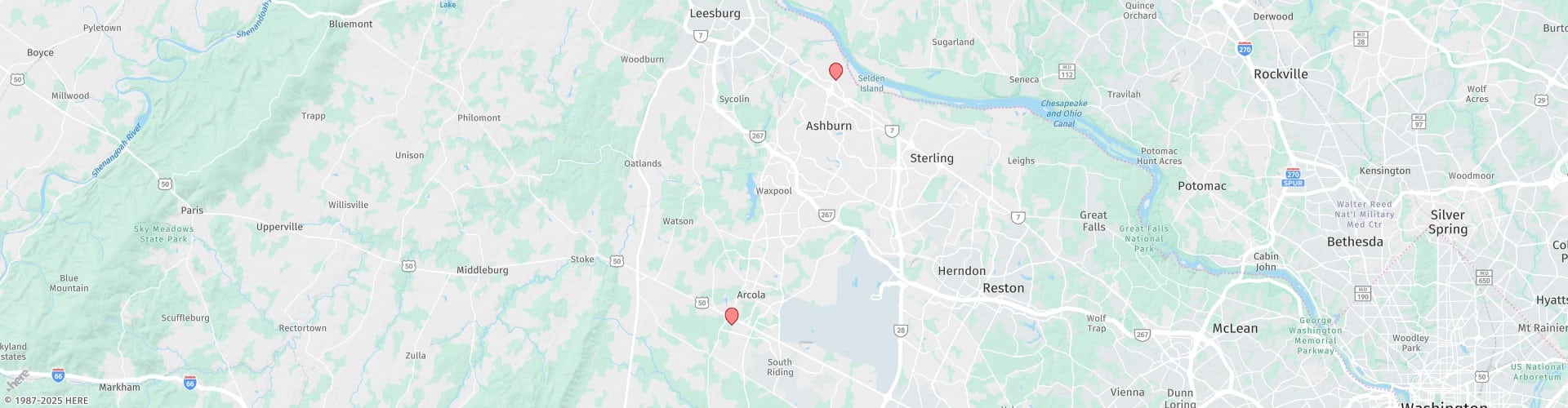
Prompt treatment often shortens recovery and helps you get back to enjoying the outdoors without weeks of itching. Whether you’re coming from Great Falls, Lansdowne, Ashburn, or the Stone Ridge and South Riding communities near the Aldie office, a dermatologist near Great Falls, VA, can help determine the best treatment plan for your specific reaction.
Ready to Stop the Itch?
Poison plant rashes can range from mildly irritating to surprisingly severe. When home remedies aren’t enough, the experienced provider team at Dermatology Center of Loudoun offers expert evaluation and prescription treatments to help relieve symptoms safely and effectively.
Serving our community in Ashburn, Leesburg, Lansdowne, South Riding, Stone Ridge, Aldie, and across Loudoun County, our team is committed to bringing the highest quality dermatology care in Northern Virginia. We understand how changes in your skin can impact your health and daily life, which is why we take the time to provide truly personalized evaluations and treatment plans.
Whenever possible, we offer same- or next-week appointments so you can receive timely, expert care when you need it most. Proudly accepting most major insurance providers, we make it easy to access comprehensive skin care close to home.
Schedule your visit at our website, or call 703-723-9751 to take the next step toward healthier skin.